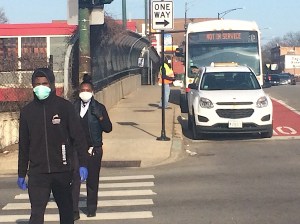
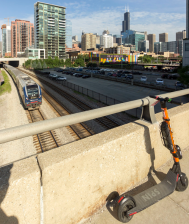
Back in 2006, the Chicago Tribune publication RedEye asked “Just how clean are CTA buses or trains?“ The paper hired a private lab to test the cleanliness of four cars on the Red and Brown line, two buses, and some station surfaces. 14 years later during the COVID1-9 pandemic, the cleanliness of public transportation has […]
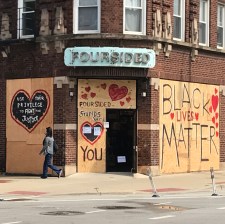
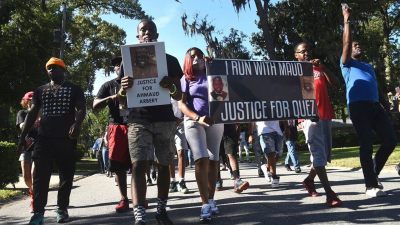
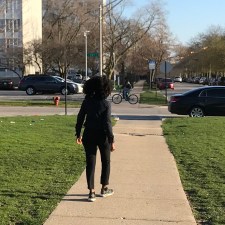
For Black and Brown people to feel completely safe walking, biking, or just existing in public space, we need to make fundamental changes in the way our society is structured.
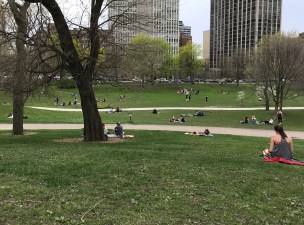
Executive director Juanita Irizarry says she would have preferred a more nuanced approach to park closures, and sees the pandemic as an opportunity to advance the discussion of park equity.
Audrey Wennink from the Metropolitan Planning Council and Lynda Lopez from Active Trans discuss what needs to be done to promote mobility justice during the pandemic, and prevent a spike in driving afterwards.
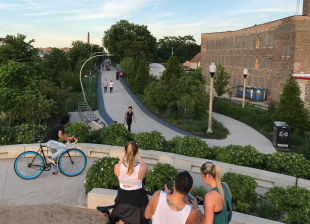
There are multiple reasons why open street may not be a pressing concern for Black and Latinx Chicago residents during the pandemic, but it can be part of the solution for improving access to open space.
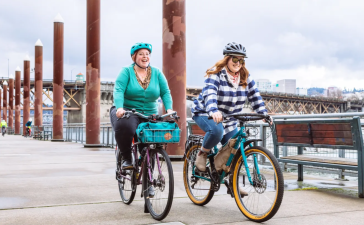
Making transit, walking, and biking, safer and more convenient would help residents keep more money in their pockets for savings or to stimulate the local economy.
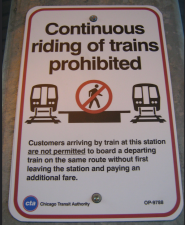
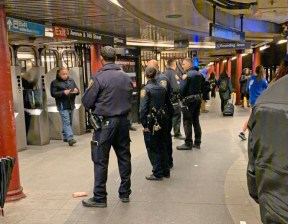
If additional policing leads to the criminalization of more people of color and low-income residents, don't be surprised if the response is hundreds of angry Chicagoans storming the turnstiles.