The new wave of streetcars should be recognized for what they are: economic development projects, not solutions to the transit and transportation problems cities face today.
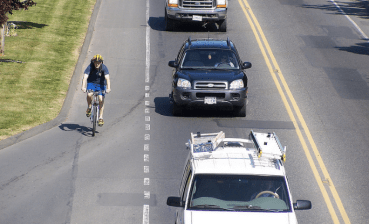
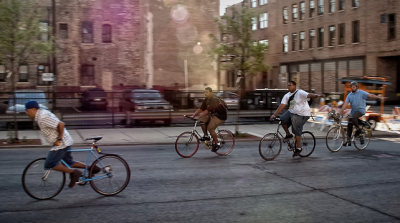
There's ample research out there backing up the safety benefits of streets with protected bikeways and slow car speeds. But what about the critically important yet less tangible factor of individual attitudes -- how does the mind of the person behind the wheel affect driver behavior toward cyclists? A new report from Portland State University looks at the question.
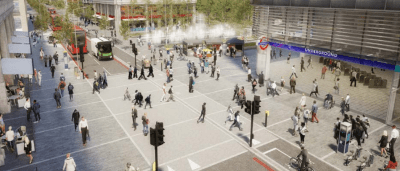
London Mayor Sadiq Khan's transport strategy for the next 25 years lays out a vision for how his city, expected to add 1.5 million people by 2041 on top of its current 9 million residents, is planning to keep moving while reducing pollution and improving quality of life. The big idea: Cars are the problem, not the solution.
A new survey conducted in Boston's Roxbury neighborhood shows that while people across different racial groups like protected bike lanes, there are variations in preferences that should inform design.
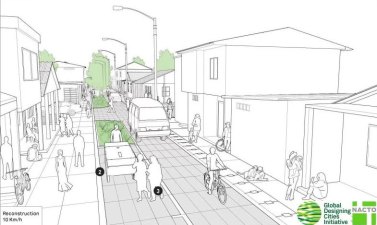
As of this week, the Global Street Design Guide, a handbook for cities around the world to design safe, sustainable streets, is available to the public as for free online.
A massive new study of commuters in the United Kingdom reveals that people who bike to work tend to live longer and are at lower risk of heart disease and cancer. While the study establishes correlation but doesn't prove causation, the size of the sample and the magnitude of the effects strongly suggest that biking to work can yield major health benefits.
Not a day goes by without a raft of stories about “new mobility” providers — ride-hailing companies like Uber or car-share services like Car2Go that have tapped into recent technological advances to provide new ways to get around. In a new report, “Private Mobility, Public Interest” [PDF], TransitCenter deflates some of the hype surrounding these services while laying out […]
Eliminating carbon emissions from the American transportation system can be done, according to a new report from the Frontier Group [PDF]. The tools to reduce energy use from cars and light trucks at least 90 percent are at our disposal or in advanced stages of development. The remaining 10 percent could be supplied by renewables like wind […]