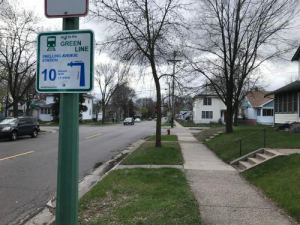
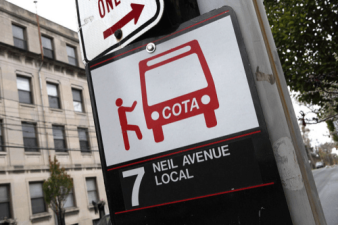
Sometimes, high-quality transit is within a walkable distance, but people just aren't used to walking to the train. New signage in St. Paul, Minnesota, funded through a local challenge from a national foundation, aims to help people get over that mental block and walking to the nearest Green Line station.
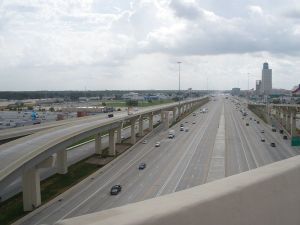
The insistence that transit is a local priority while highways are a national concern has become an article of faith in the world of right-wing think tanks. But today highway spending mostly serves the same type of trips that Republicans purportedly believe are inappropriate for federal funding.
Waiting for fiscal year 2018 isn't fast enough for the Trump administration to cut transit funding. The White House wants to slash transit expansion and TIGER grants immediately.
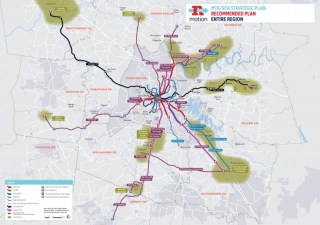
Nashville planners have put together a $6 billion transit expansion plan that calls for four light rail lines, three bus rapid transit routes, a commuter rail connection, and more. And it looks like a referendum on raising local taxes to pay for the package would fare well, according to a new poll.
Transit ridership took a turn for the worse in 2016. In all but a handful of cities, fewer people rode trains and buses, and it's not just a one-year blip, either. In many American cities, the drop in transit ridership is an established trend. The big question is why.
Yesterday Donald Trump released a budget outline that calls for severe cuts to transit, and the reaction was swift and scathing. The National Association of City Transportation Officials called it "a disaster" for cities. Transportation for America said it was a "slap in the face" for local communities that have raised funds to expand transit.
The Trump administration has released its budget blueprint, and it's a bloodbath for everything that's not defense spending. In keeping with the budget's general hostility to cities, transit would be hit especially hard.
For the last year and a half, Columbus's Capital Crossroads Special Improvement District has been piloting a free transit pass program for 844 downtown workers. The share of workers in the program who commute via transit increased from 6 percent to 12 percent, and now it might be expanded to all 40,000 workers downtown.
The electrification of commuter rail service between San Jose and San Francisco was all but ready to begin construction when Donald Trump's transportation secretary, Elaine Chao, pulled the rug out from under the project earlier this month. Local officials are trying to adjust on the fly to salvage the project.
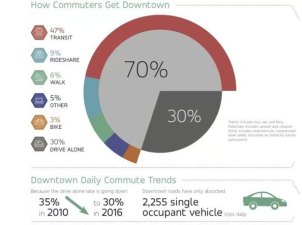
Transforming from a car city to a transit city is no easy task. Just ask Denver and Los Angeles, which have spent billions to build rail systems but struggled to reduce solo car commuting rates. But Seattle shows it can be done: The share of downtown commuters who drive alone dropped from 35 percent in 2010 to 30 percent last year.